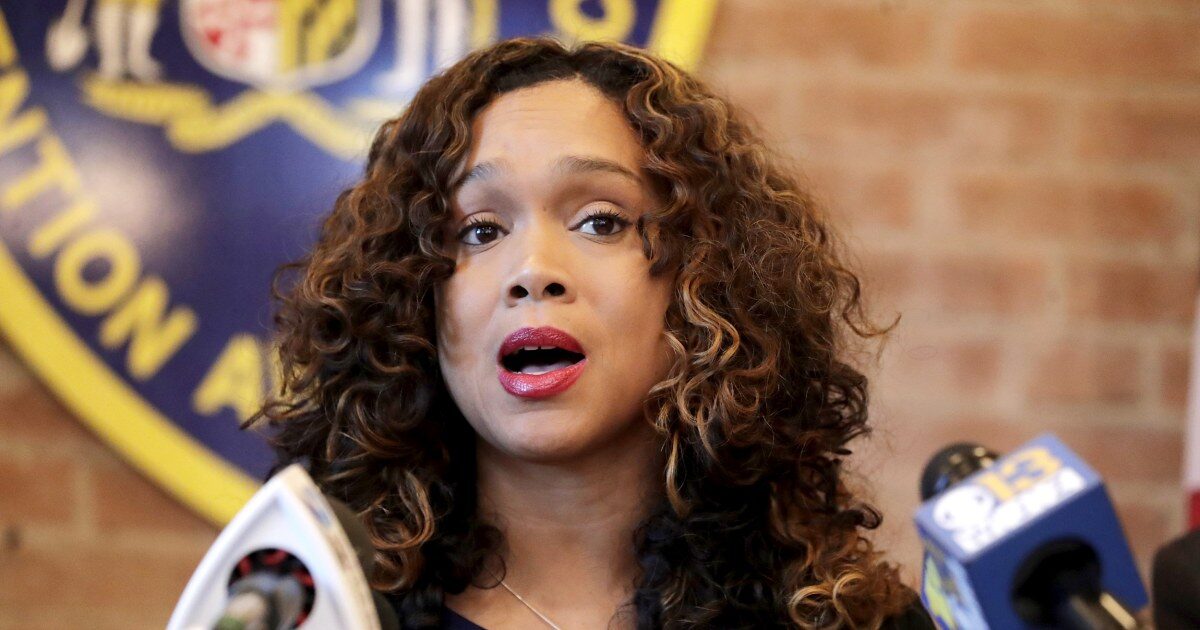
Baltimore's State's Attorney, Marilyn Mosby, has declared that the city will no longer prosecute drug possession, prostitution, and other low-level offenses, a decision that stems from a policy initiated during the COVID-19 pandemic. This approach was initially adopted to minimize the spread of the virus in jails.
Since the implementation of this policy a year ago, Baltimore has seen a notable decline in crime rates, with violent crime decreasing by 20 percent and property crime by 36 percent. Mosby highlighted that this trend supports the argument that strict enforcement of minor offenses does not necessarily contribute to public safety.
During a news conference on Friday, Mosby stated, "Clearly, the data suggest there is no public safety value in prosecuting low-level offenses." This shift marks a significant departure from Baltimore's historical approach to law enforcement, which has often been characterized by aggressive policing tactics.
Despite the ongoing challenges with violent crime, including a persistently high homicide rate, Baltimore's experience has been different from many other cities that saw increases in violence during the pandemic. Johns Hopkins University research indicated a drop in calls to police regarding drug and prostitution-related complaints.
As part of this new policy, the Baltimore Police Department will collaborate with local nonprofit organizations to provide support for individuals dealing with mental health issues, homelessness, and substance abuse. Mosby emphasized that law enforcement will continue to focus on serious crimes and drug trafficking.
While this decision has been met with some skepticism, Police Commissioner Michael Harrison acknowledged that the policy, initially met with resistance from officers, may have contributed to the reduction in crime rates.
Community leaders, including Kobi Little from the Baltimore NAACP, praised the move as a recognition of the detrimental effects of heavy-handed policing in the past. The long-term implications of this policy change on public safety remain to be seen, but it has sparked discussions about the future of law enforcement strategies in Baltimore and beyond.
Reported by HarborBeat based on NBC News (source).
0 Comments
Log in to join the conversation.