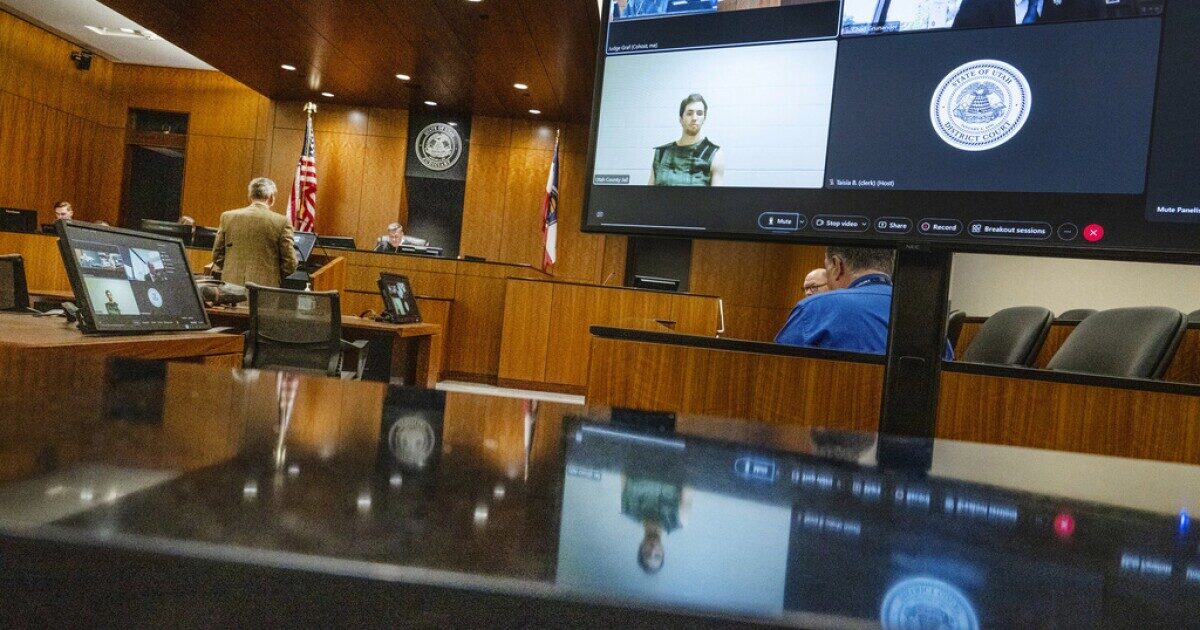
In the ongoing preliminary hearing for Tyler Robinson, the man accused of murdering Charlie Kirk, attorneys have engaged in extensive discussions regarding the public's access to evidence presented in court. The hearing, which is expected to conclude on Friday, has drawn significant attention, particularly from the Kirk family, who are advocating for transparency in the proceedings.
Attorney Jeffrey Neiman, representing the Kirk family, expressed their desire for all evidence admitted during the hearing to be accessible to the public. Neiman emphasized the importance of transparency, stating that withholding information could foster distrust in the judicial system.
“The Kirk family believes strongly that if evidence is being admitted in this preliminary hearing, it should be made public for the world to see,” Neiman remarked during the hearing.
Throughout Wednesday's session, the prosecution sought to introduce key evidence, including a recorded interview with Robinson's former roommate and text messages exchanged between them. This evidence is critical as the judge, Tony Graf Jr., assesses whether there is sufficient basis for the case to advance to trial.
Robinson is accused of fatally shooting Kirk, a prominent conservative activist and founder of Turning Point USA, during a public event at Utah Valley University last September. Kirk's widow, Erika, along with his parents, have been present in the courtroom throughout the proceedings.
The hearing has been livestreamed, despite attempts by Robinson's defense team to limit media presence. Much of the discussion on Wednesday revolved around the potential impact of broadcasting evidence on Robinson's right to a fair trial.
State investigator Brian Davis testified about the events following Robinson's surrender to authorities. During his testimony, a brief video clip showing Robinson at the sheriff's office was shown, adhering to the defense's request for no audio.
As the hearing progressed, the defense objected to the public disclosure of additional evidence. Judge Graf ultimately ruled that certain portions of the evidence must be redacted before being made public, with prosecutors agreeing to make these edits ahead of Thursday's court session.
Reported by HarborBeat based on WMAR-2 News (source).
0 Comments
Log in to join the conversation.