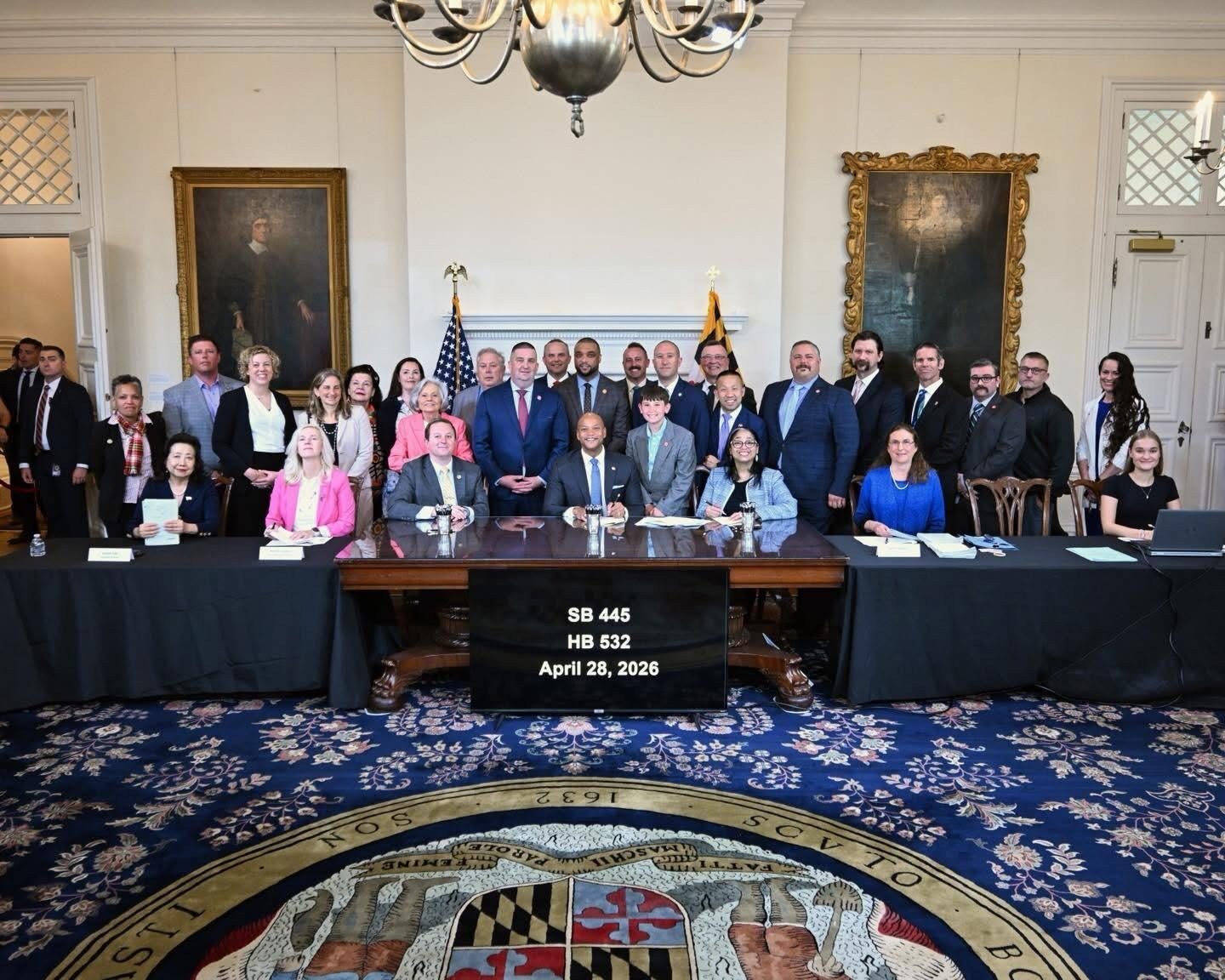
Maryland has established a standardized 42-hour work week for firefighters statewide, a change that aims to improve working conditions and address staffing shortages. This development follows the recent signing of legislation S.B. 445/H.B. 532 by Governor Wes Moore, with support from the Professional Fire Fighters of Maryland (PFFMD).
The new law mandates that firefighters will earn overtime pay for any hours worked beyond 168 hours in a 28-day period. As a result, all firefighters in Maryland will now qualify for overtime after working 42 hours in a week, creating a uniform standard across the state.
Governor Moore emphasized the importance of this legislation, stating, "Maryland’s firefighters don’t hesitate when our communities are in danger, and our state won’t hesitate to give them the support they deserve." He expressed gratitude for the dedication of firefighters and affirmed the state's commitment to their welfare.
Previously, firefighters in certain regions, including Baltimore City and Montgomery County, were required to work 48 hours before qualifying for overtime, a discrepancy that has contributed to staffing challenges in high-demand areas. The PFFMD has long advocated for overtime reform, highlighting the need for equitable treatment of firefighters.
PFFMD President Jeffrey Buddle noted that the legislation addresses not only overtime but also broader issues of safety and fairness in the workplace. He thanked Governor Moore for his leadership in advancing this important measure.
4th District Vice President Andrew Pantelis also acknowledged the significance of the new law, stating, "This is a long-overdue win for Maryland’s firefighters. A fair statewide standard means better support for our members and stronger protections for the communities they serve."
The bill was introduced by State Senator Benjamin Kramer and has received bipartisan support, passing the Maryland House of Delegates with overwhelming approval last year. The new law is set to take effect in Fiscal Year 2029, with the most immediate impact anticipated in Baltimore City and surrounding counties.
Reported by HarborBeat based on IAFF (source).
0 Comments
Log in to join the conversation.