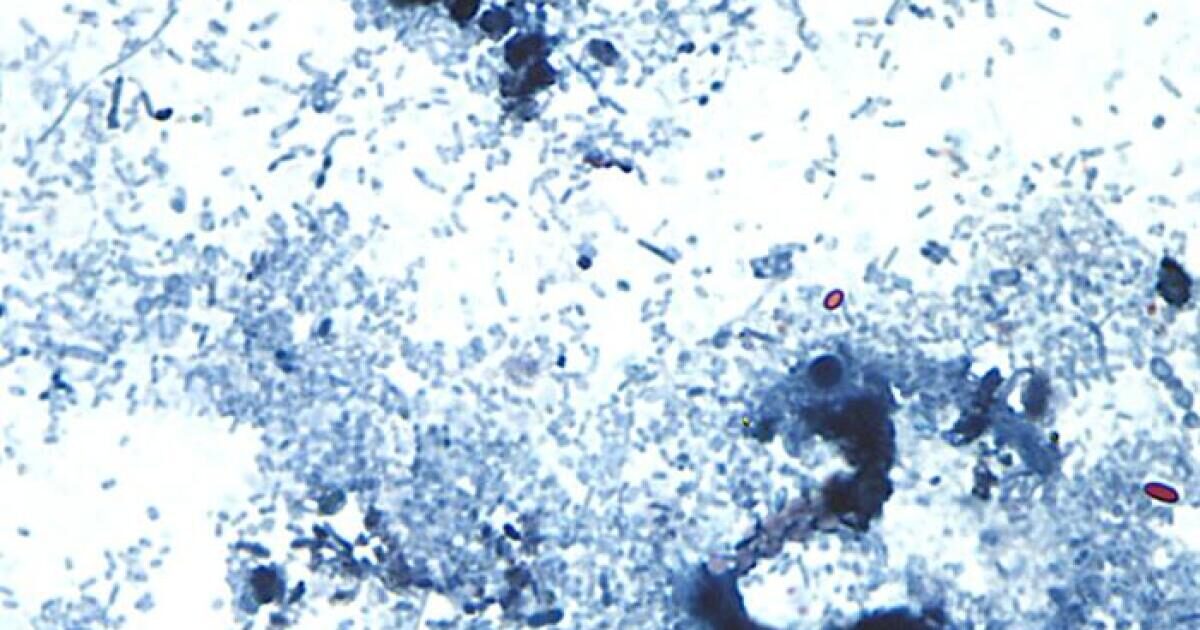
Health authorities in Michigan have raised alarms following the identification of more than 150 cases of cyclosporiasis, a parasitic intestinal infection, since June 22. This surge marks a significant increase compared to the state's typical annual average of around 50 cases.
The Michigan Department of Health and Human Services (MDHHS) reported that the majority of these infections have been concentrated in southeast Michigan, including counties such as Monroe, Lenawee, Washtenaw, Wayne, Livingston, Shiawassee, and Jackson.
Lindsay Patrick from the Monroe County Health Department noted that 67 cases have been confirmed in Monroe County alone. Investigations are currently underway to determine the source of this outbreak, which is believed to stem from food contaminated with feces.
As officials work to identify a common point of exposure, they are advising the public to wash all produce thoroughly, whether at home or in restaurants. The Centers for Disease Control and Prevention (CDC) emphasizes that while most healthy individuals will recover from cyclosporiasis without medical intervention, the illness can be prolonged.
Patients like Lisa Vanhoose, who was hospitalized due to severe symptoms, describe the experience as debilitating. She reported feeling extremely weak and lethargic after consuming a salad. Another affected individual, Stephanie Shaughnessy, shared her struggle with intense fatigue, nausea, and gastrointestinal distress, which led to her hospitalization.
Symptoms of cyclosporiasis can appear anywhere from two to twelve days after exposure and typically include:
- Frequent watery diarrhea
- Loss of appetite and weight
- Abdominal cramps and bloating
- Nausea (vomiting is less common)
- Low-grade fever
To prevent infection, health officials recommend avoiding potentially contaminated food and water, washing all fruits and vegetables thoroughly, and refrigerating cut or cooked produce promptly. Individuals experiencing symptoms are advised to contact their healthcare providers.
Reported by HarborBeat based on WMAR-2 News (source).
0 Comments
Log in to join the conversation.